
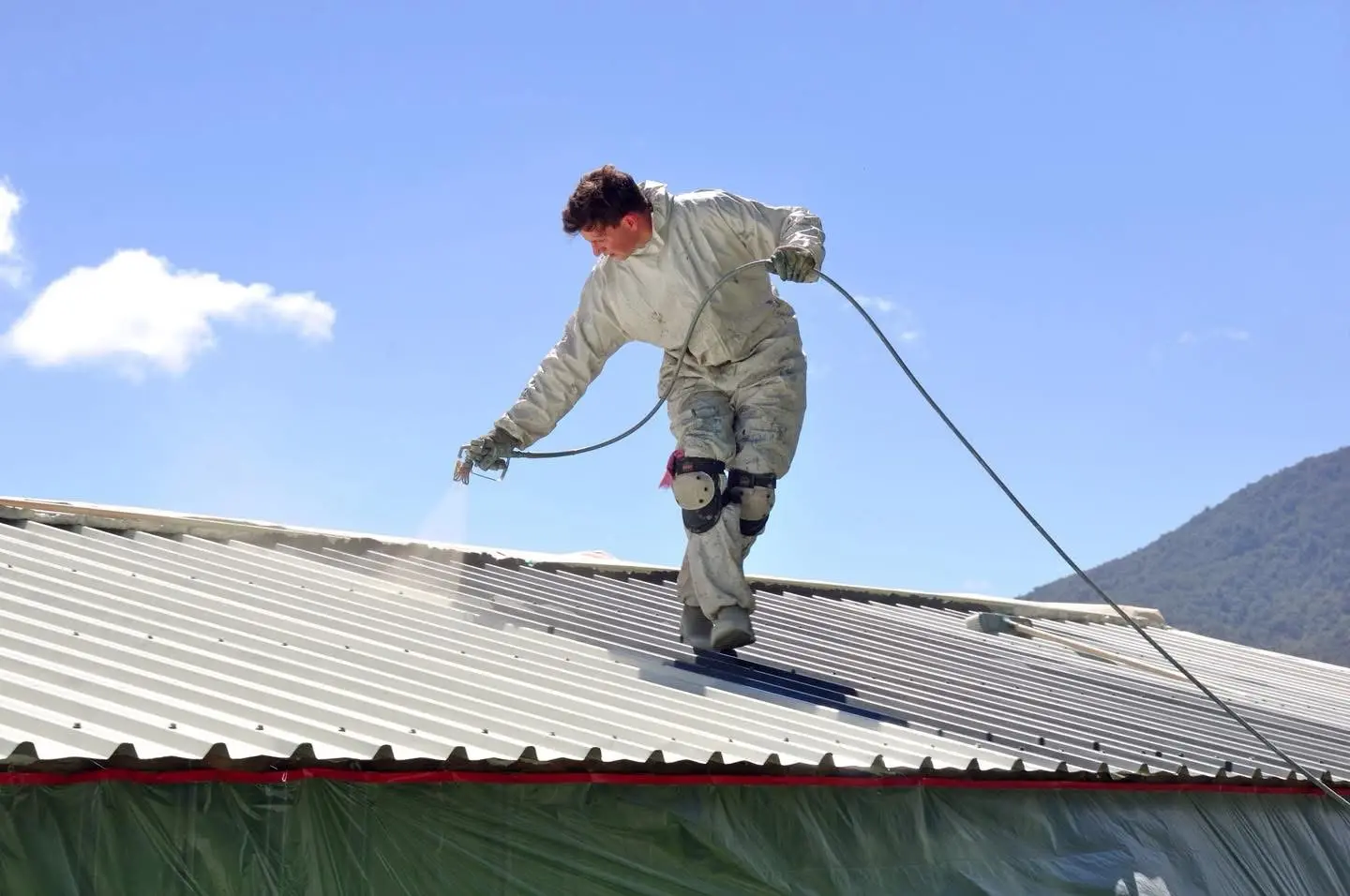
A freshly painted roof can dramatically improve the appearance of your home while protecting it from harsh weather conditions. If you are wondering how to paint a roof, understanding the correct preparation, materials, and safety steps is essential. Roof painting is not just about applying colour; it involves proper cleaning, repairs, priming, and coating to ensure long-lasting protection.
In Brisbane’s climate, roofs are constantly exposed to intense sunlight, heavy rain, and humidity. Over time, these elements can cause paint to fade, surfaces to deteriorate, and algae or mould to develop. Proper roof painting restores both appearance and durability.
This guide walks through the roof painting process safely and effectively, whether you are considering a DIY project or thinking about calling in a professional.
Why Roof Painting Is Important
Roof painting offers several benefits beyond visual improvement. A properly painted roof protects the surface materials and helps extend the lifespan of your roofing system.
Improves Property Appearance
A freshly painted roof can instantly enhance kerb appeal and make your home look newer and more well-maintained.
Protects Roofing Materials
Roof coatings create a protective layer that shields surfaces from UV radiation, moisture, and weather damage.
Improves Energy Efficiency
Heat-reflective roof coatings can reduce heat absorption, helping keep homes cooler during hot Brisbane summers.
Extends Roof Lifespan
By sealing small cracks and preventing moisture penetration, roof painting can significantly extend the life of roofing materials.
Step 1 – Inspect the Roof Condition
Before any work begins, it is important to inspect the roof carefully.
Look for common issues such as:
- Cracked or broken tiles
- Rust patches on metal roofing
- Loose ridge caps
- Moss or algae growth
- Blocked gutters
If damage is discovered, repairs should be completed before painting begins. Ignoring these problems can lead to paint failure or structural issues later.
Many homeowners choose professional roof cleaning services before painting to ensure surfaces are properly prepared.
Step 2 – Clean the Roof Thoroughly
Roof preparation is one of the most important stages of the painting process. Dirt, algae, and debris prevent paint from bonding correctly.
Professional cleaning methods may include:
Pressure Cleaning
Pressure cleaning removes dirt, moss, and loose debris from roof surfaces. It is commonly used for concrete or metal roofs that can handle higher pressure.
Soft Washing
Soft washing uses specialised cleaning solutions to kill mould and algae while protecting delicate surfaces. Roof cleaning also prevents contamination that could affect paint adhesion.
Step 3 – Repair and Prepare the Surface
Once the roof is clean, the next stage is preparing the surface for paint.
Preparation may include:
- Replacing broken tiles
- Sealing cracks
- Repointing ridge caps
- Treating rust on metal roofs
- Cleaning gutters and drainage areas
Proper preparation ensures the new paint coating will bond effectively and last longer.
Step 4 – Apply a Roof Primer
Primer plays a critical role in roof painting because it improves adhesion and provides a consistent base for the topcoat.
Different roof materials require different primers.
Tile Roof Primer
Tile roofs often require specialised primers designed to penetrate porous surfaces and improve paint bonding.
Metal Roof Primer
Metal roofs require anti-corrosion primers to prevent rust and improve durability. Applying primer evenly ensures the paint coating performs effectively.
Step 5 – Apply the Roof Paint Coating
After the primer has dried, it is time to apply the roof coating. Most professional roof painting systems use a two-coat process to ensure durability.
First Coat
The first coat provides coverage and begins forming the protective layer.
Second Coat
The second coat strengthens the protection and provides an even finish.
Professional contractors typically apply coatings using airless spray systems to achieve consistent coverage.
Step 6 – Allow Proper Drying Time
Roof paint requires adequate drying time between coats and after completion. Weather conditions can influence drying times, so it is important to avoid painting during:
- Rainy conditions
- Extremely hot temperatures
- High humidity levels
Allowing proper curing ensures the coating forms a durable protective layer.
DIY vs Professional Roof Painting
When learning how to paint a roof, one of the biggest decisions is whether to tackle it yourself or bring in a professional.
DIY Roof Painting
DIY painting may reduce labour costs but involves several challenges.
Potential risks include:
- Safety hazards when working at heights
- Incorrect preparation leading to paint failure
- Lack of professional equipment
- Limited access to commercial roof coatings
Professional Roof Painting
Professional contractors provide several advantages.
Benefits include:
- Professional cleaning equipment
- Safety training and roof access systems
- High-quality coatings
- Proper preparation and repairs
Professional services also ensure a longer-lasting finish.

How Often Should a Roof Be Painted?
Roof painting typically lasts between 10 and 15 years, depending on several factors.
Factors affecting lifespan include:
- Roof material
- Weather exposure
- Maintenance frequency
- Quality of coating products
Regular roof cleaning and maintenance can help extend the life of the coating.
Common Mistakes to Avoid When Painting a Roof
Knowing how to paint a roof properly also means recognising the mistakes that can cut the lifespan of your coating short.
Skipping Roof Cleaning
Painting over dirt or algae prevents proper adhesion.
Using Low-Quality Paint
Cheap coatings often fade quickly or fail to protect surfaces.
Ignoring Roof Repairs
Painting over damaged areas can lead to future leaks.
Poor Safety Practices
Working on a roof without proper safety equipment is dangerous.